TEsting,TEstingTEstingTEstingTEstingTEstingTEstingTEstingTEstingTEstingTEstingTEstingTEstingTEstingTEsting
This is test summary
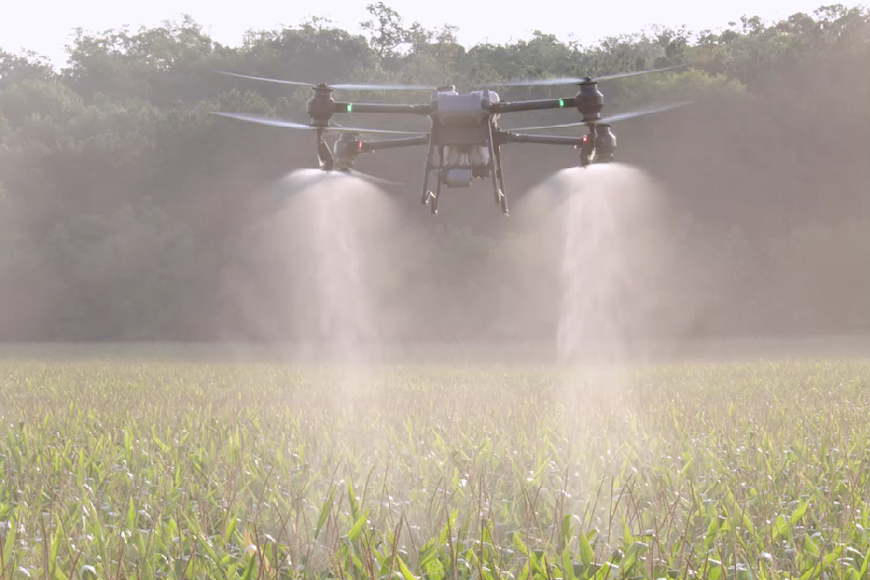
Every pesticide application worth making is worth doing correctly. Drones have proven to be a helpful innovation for efficient crop protection applications, but many precise factors nee...
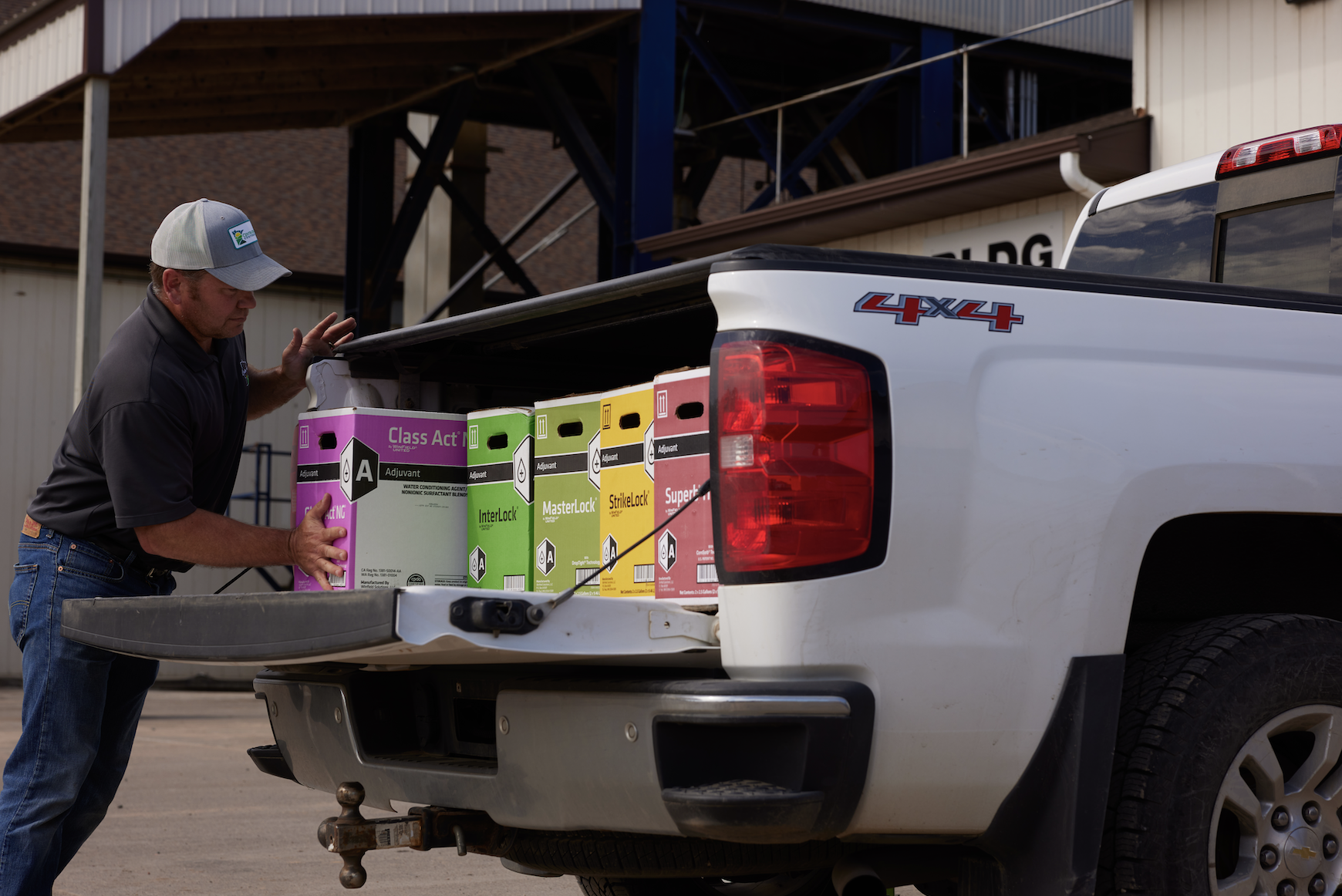
To maximize profitability potential, every dollar spent on crop protection products must deliver the best possible return on investment. That’s where adjuvants come in. They&rsquo...
Planting is just around the corner. Every decision you make, including your seed purchase and the ground conditions you place it in, can affect the number on the yield monitor at harves...
If you deal with winter or spring annual weeds in your fields, it's important to consider including a spring burndown herbicide application. Winter annuals, including marestail, chi...
In 2025, moisture was extremely prevalent in some areas, and with it, disease pressure. Across the lower corn belt from St. Louis to central Ohio, heavy rains came in the early season, ...
With the strong disease pressures we saw in 2025, it’s a good idea to consider now how you’ll handle those potential threats in the upcoming season. Your crops (and your wal...
Your crop has its maximum potential before the seed ever hits the soil. Every day after planting, biotic and abiotic stresses can chip away at that seed’s yield potential. That&rs...
On August 20, 2024, the U.S. Environmental Protection Agency (EPA) released its final Herbicide Strategy, calling it an “unprecedented step” toward protecting more than 900 ...
Today’s agronomic landscape demands more from every application. Weed pressures are increasing with more than 250 weed species now resistant to at least one herbicide mode or site...
Last season, southern rust was easy to find in cornfields across much of the Midwest. Unfortunately for farmers, all the elements of the disease triangle aligned in 2025. There were ple...




.jpeg?ext=.jpeg)